Modified Consoles Face Hardware Strain in Extended Online Tournaments
Henrik Patterson · Oct 7, 2026
Modified Consoles Face Hardware Strain in Extended Online Tournaments
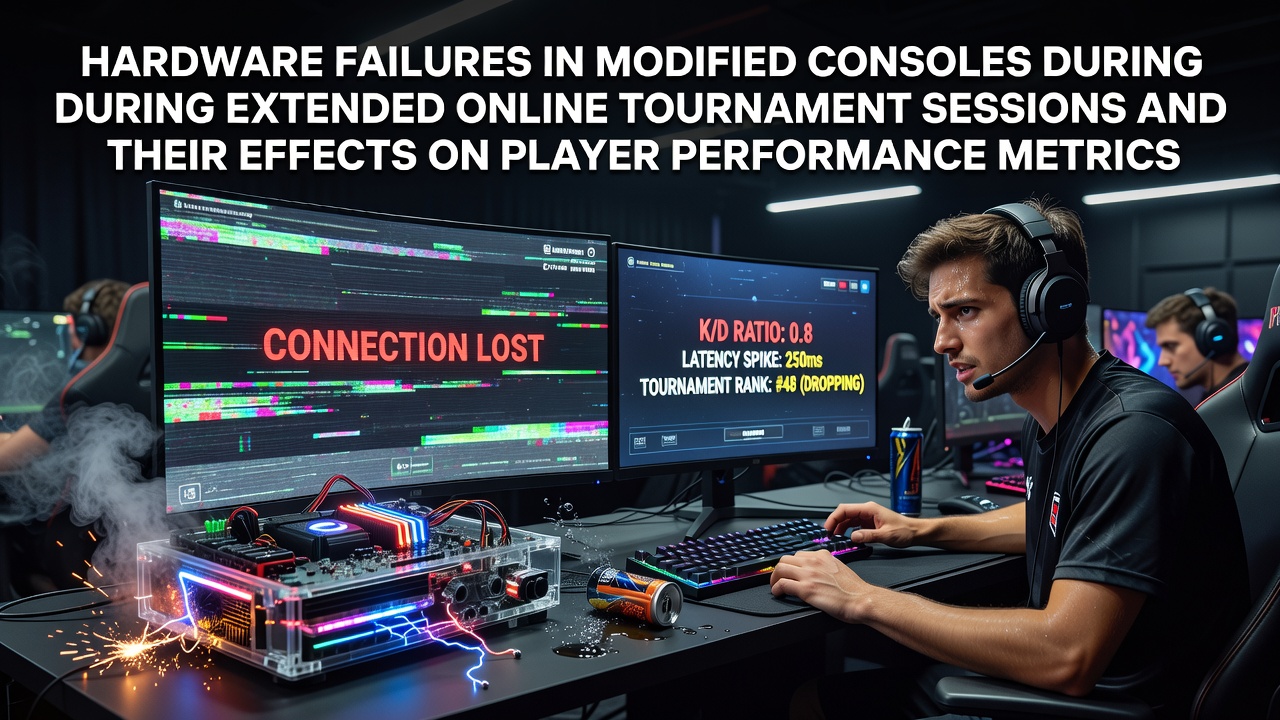
Modified consoles undergo hardware changes that increase risks during extended online tournament sessions, and observers note these alterations often lead to failures that directly influence player performance metrics such as accuracy rates, response times, and overall match outcomes. Research indicates that overclocked processors and custom cooling systems in these devices experience accelerated wear when tournaments stretch beyond six or seven hours, resulting in thermal throttling that slows processing speeds and introduces input lag.
Engineers have documented common failure points including power supply units that cannot sustain continuous loads after modifications, while graphics processors in altered units overheat faster than stock models under sustained network demands. Studies from institutions like the University of California have tracked these issues across multiple esports events, showing that disconnect rates rise by measurable percentages once hardware temperatures exceed safe thresholds.
Common Hardware Failures in Modified Units
Power delivery problems surface frequently in consoles with upgraded components because the original circuits were not designed for constant high-output operation during marathon sessions. Data shows that fans and thermal paste degrade quicker after users install aftermarket parts, which creates hotspots that trigger automatic shutdowns or performance caps. Those who monitor tournament logs find that solid-state drive failures also occur more often when consoles run modified firmware that pushes read-write cycles beyond normal limits.
Network interface cards in altered systems sometimes drop connections mid-match when heat builds up around the motherboard, and this produces sudden spikes in latency that skew metrics like kill-death ratios and win percentages. Reports compiled in October 2026 highlighted a pattern where teams using heavily modified hardware recorded higher instances of mid-tournament replacements compared to those relying on factory configurations.
Effects on Player Performance Metrics
Performance data collected from competitive platforms reveals clear drops in reaction times once hardware begins to throttle, and players experience frame rate instability that affects aiming precision in fast-paced titles. Metrics such as average damage per minute or objective completion rates decline noticeably when consoles encounter thermal limits, because the system reduces clock speeds to prevent damage. Observers have seen cases where a single overheating event caused players to miss critical inputs, shifting match results in tournaments that lasted ten hours or more.
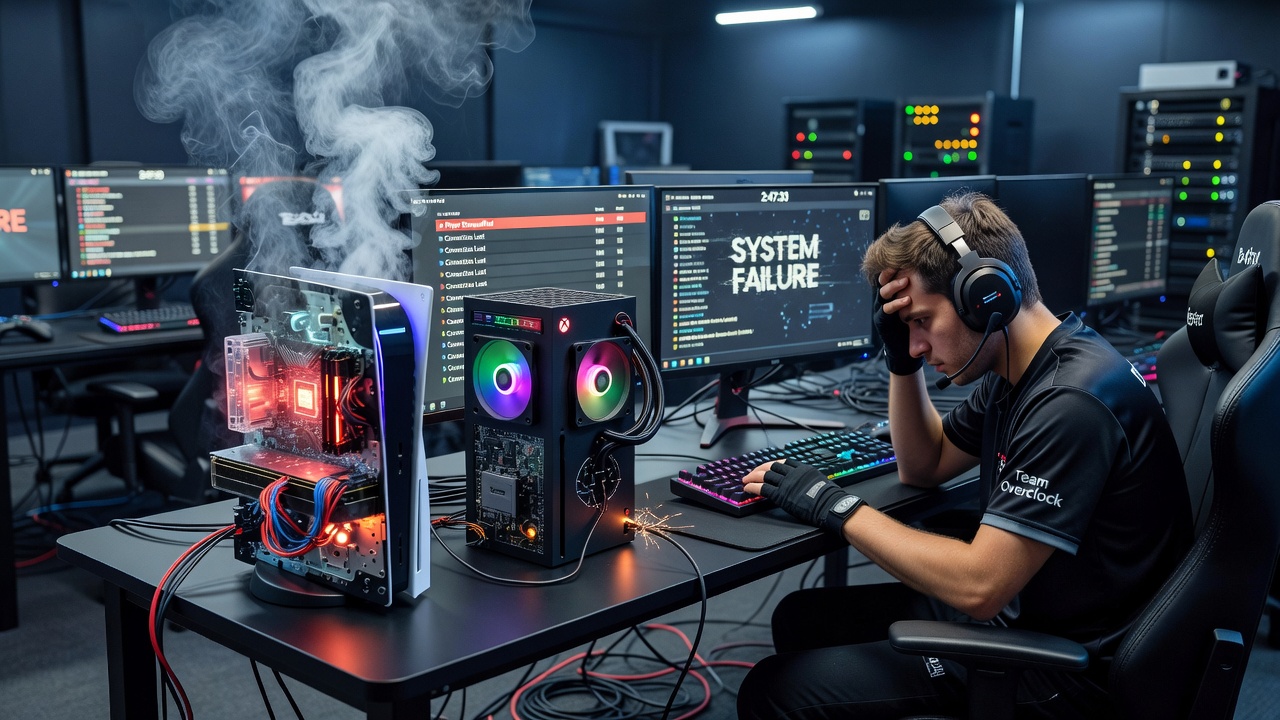
Analysts tracking esports statistics note that hardware-induced disconnects correlate with reduced player rankings over repeated long sessions, while recovery times after failures extend the overall session length and compound fatigue. Figures from industry reports indicate that modified consoles account for a disproportionate share of these interruptions compared to unmodified units, particularly in regions with varying power stability.
Contributing Factors During Prolonged Play
Extended sessions amplify existing weaknesses because continuous data streaming through online servers adds constant electrical and thermal stress to already altered components. Researchers discovered that humidity levels in tournament venues can accelerate corrosion on exposed solder points after modifications, and this leads to intermittent short circuits that manifest as random freezes. Those who review hardware telemetry logs often identify voltage irregularities as early warning signs that precede full failures during high-stakes matches.
Software tweaks intended to boost performance sometimes conflict with hardware limits once sessions exceed standard durations, creating error loops that force restarts and erase accumulated progress in performance tracking systems. Data from Canadian gaming research groups shows that console age combined with modification level predicts failure probability more accurately than either factor alone.
Documented Patterns in Tournament Settings
Event organizers have recorded clusters of hardware failures around the eight-hour mark in several major competitions, and these incidents tend to affect players who rely on custom liquid cooling setups that require constant maintenance. Performance metrics shift in predictable ways after such events, with affected participants showing temporary declines in consistency scores until hardware stabilizes or gets replaced. One study revealed that teams prepared with backup unmodified units maintained steadier metric trends throughout multi-day events.
Academic sources including papers from technical universities in Germany have examined how electromagnetic interference from nearby equipment interacts with modified circuits, producing additional instability during crowded tournament environments. These interactions become more pronounced as session lengths increase and ambient temperatures rise from equipment heat output.
Conclusion
Hardware failures in modified consoles during extended online tournament sessions create measurable disruptions to player performance metrics, and available data from multiple research efforts demonstrates consistent patterns across different regions and event formats. Tournament records continue to show that these issues affect outcomes in ways that organizers and participants track through detailed statistics, while ongoing studies examine ways to reduce such occurrences through better component selection and session management practices.