Wii Balance Boards Find New Role in Athletic Wagering Predictions
David Schulz · Nov 4, 2026
Wii Balance Boards Find New Role in Athletic Wagering Predictions
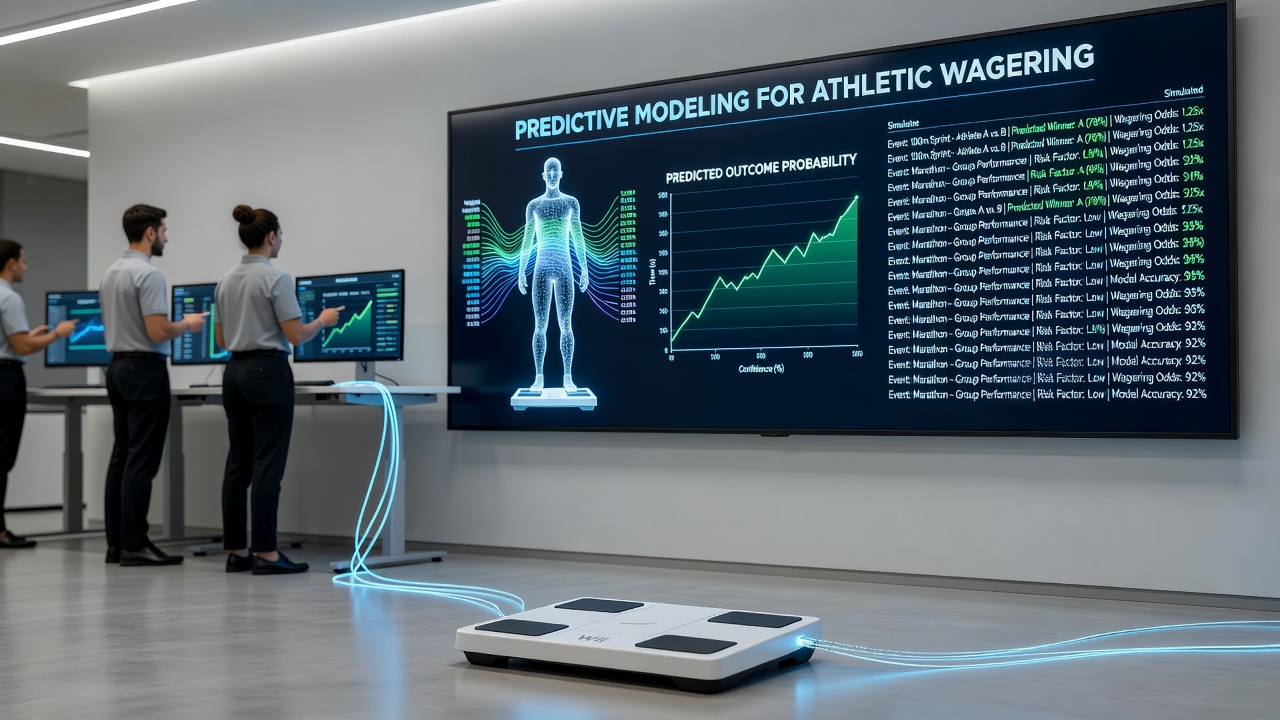
Researchers have started adapting Nintendo Wii Balance Board hardware to capture detailed postural and weight distribution metrics that feed directly into predictive algorithms for athletic event wagering, and this approach has gained traction among data analysts working with professional sports organizations since the early 2020s. The boards, originally designed for fitness games, measure center of pressure shifts and balance stability at high frequency, which allows teams to quantify an athlete's neuromuscular control during dynamic movements that relate to performance outcomes in events such as gymnastics, skiing, and combat sports.
Data Collection Methods and Technical Adaptation
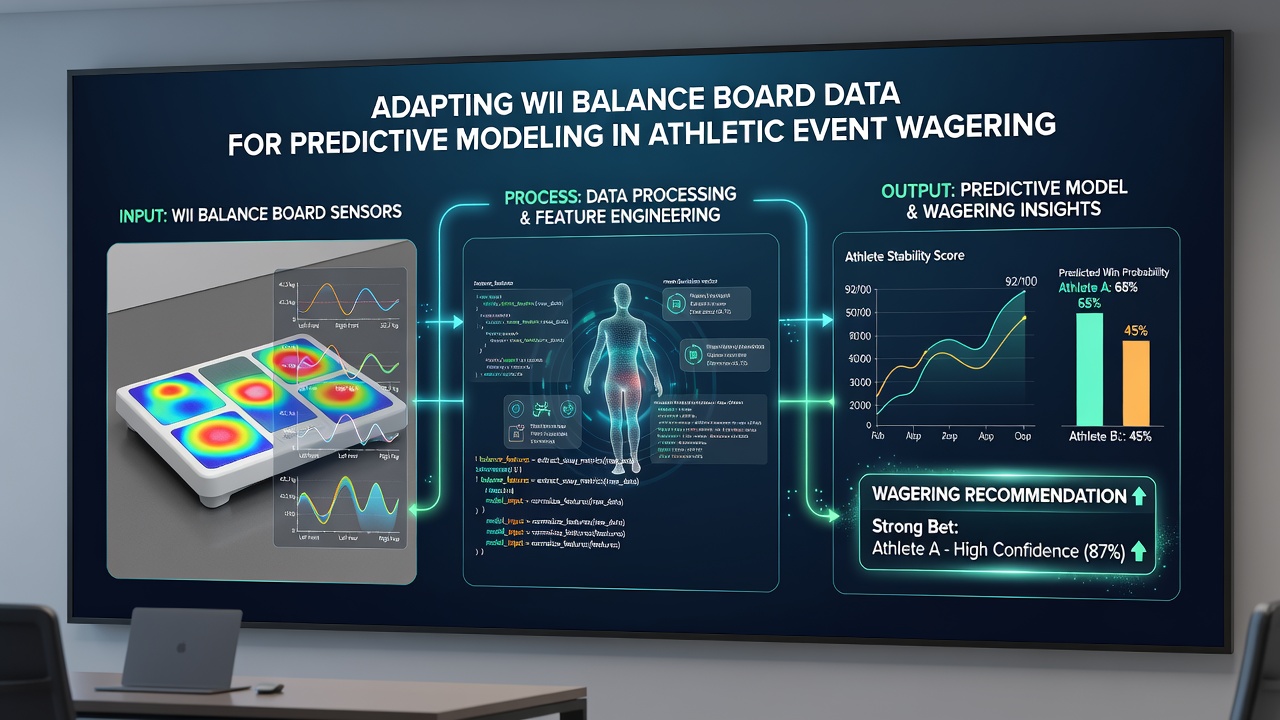
Engineers connect the Wii Balance Board to custom software through Bluetooth interfaces, then calibrate the four load sensors to record force variations across multiple planes while athletes perform standardized balance tasks or sport-specific drills. Data streams include timestamped measurements of anterior-posterior and medial-lateral sway, total body weight fluctuations, and recovery time after perturbations, which together create time-series datasets suitable for machine learning models. Analysts at several European sports institutes have demonstrated that these metrics correlate with injury risk indicators and competition consistency, providing inputs that refine probability estimates used in wagering platforms.
One study conducted at an Australian research center integrated board readings with motion capture systems to build regression models that predict vault scores in gymnastics competitions, and the resulting accuracy improvements reached measurable levels when compared against traditional scouting reports alone. Teams processing this information often combine it with historical performance records and environmental variables such as venue altitude or surface conditions before generating forecasts for upcoming meets.
Integration into Predictive Modeling Frameworks
Model developers incorporate Wii-derived balance features into ensemble algorithms that weigh neuromuscular stability alongside conventional statistics like reaction times and previous event results. These frameworks use techniques such as random forests and neural networks to identify patterns where subtle shifts in center-of-pressure variance precede performance drops during high-stakes sequences. In November 2026 analysts expect several North American sports data providers to release updated toolkits that standardize Wii Balance Board protocols for broader adoption across collegiate and professional circuits.
Figures from Canadian university labs indicate that balance metrics collected over repeated sessions improve model calibration for events requiring sustained postural control, particularly when datasets exceed several thousand individual trials. Observers note that the low-cost nature of the hardware allows smaller research groups to gather comparable volumes of information that larger organizations obtain through proprietary force plate systems.
Regulatory and Industry Context
Gaming regulatory bodies in various jurisdictions have begun reviewing how sensor-derived performance data influences odds compilation, and the International Association of Gaming Regulators published guidelines in 2025 that address transparency requirements for third-party data sources. Industry reports from the Sports Data Analytics Consortium highlight ongoing trials where balance board outputs contribute to real-time probability adjustments during live events. These developments coincide with increased scrutiny from athletic federations concerned about data integrity and fair use of athlete biometric information.
Training facilities in multiple regions now run pilot programs that feed anonymized Wii readings into shared repositories, which modelers access under strict access controls to avoid individual athlete identification. Such repositories support cross-validation studies that test whether balance signatures remain consistent across different hardware calibrations and athlete populations.
Future Developments and Broader Applications
Continued refinement of signal processing filters aims to reduce noise from board surface interactions while preserving the temporal resolution needed for event-specific predictions. Researchers anticipate that integration with wearable inertial measurement units will expand the range of movements captured, creating richer feature sets for algorithms that forecast outcomes in winter sports and equestrian disciplines where equilibrium plays a decisive role. Data volumes collected through these methods continue to grow, which supports more granular segmentation of athlete cohorts by age, competition level, and injury history.
Academic groups plan additional validation experiments through 2027 that compare model outputs against bookmaker closing lines to quantify any systematic advantages gained from balance metrics. These efforts remain subject to evolving data protection standards that vary by jurisdiction yet consistently require explicit consent protocols and secure storage practices.
Conclusion
Adaptation of Wii Balance Board technology for athletic event wagering models represents an ongoing convergence of consumer hardware repurposing and advanced analytics, with documented progress in data acquisition techniques and algorithmic integration reported across multiple research centers. Continued monitoring of regulatory updates and technical standardization efforts will shape the extent of future deployment in professional forecasting systems.